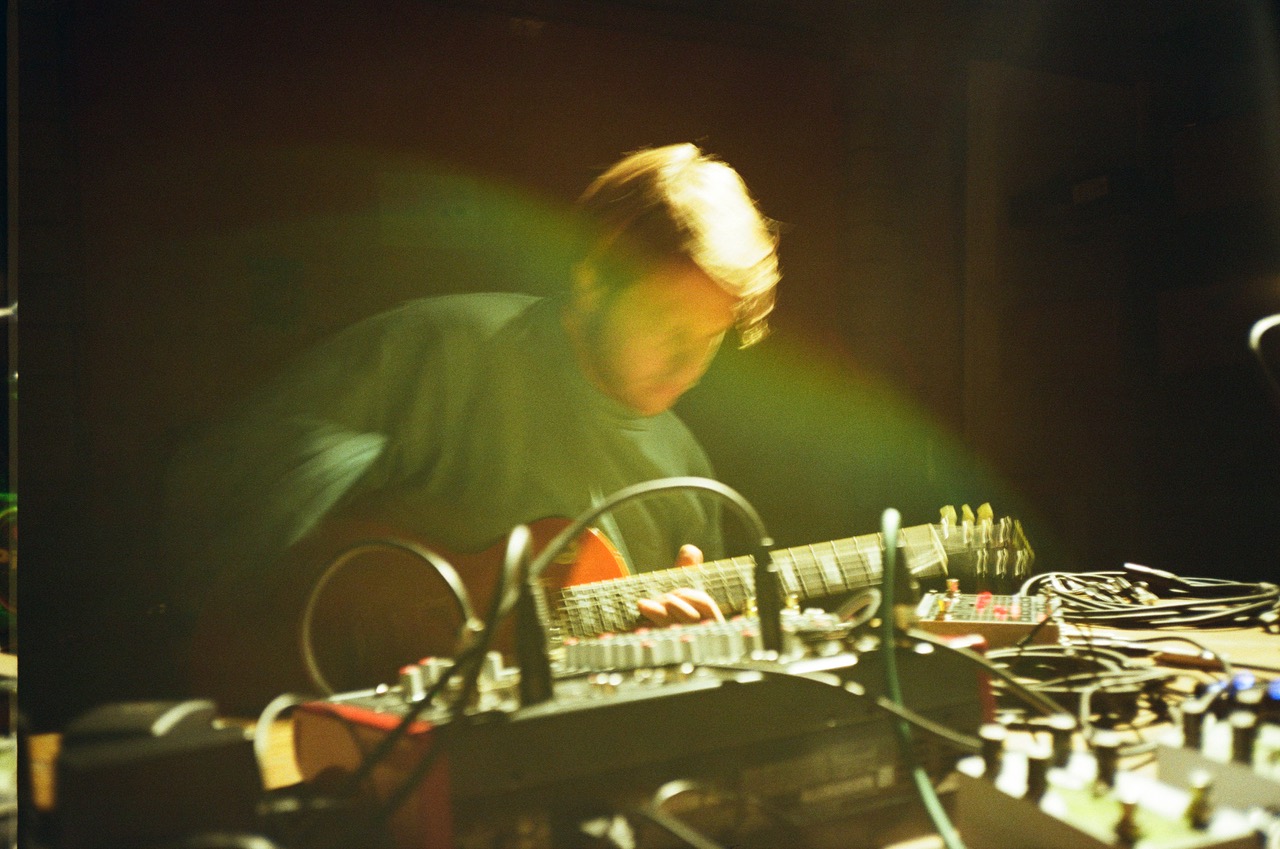
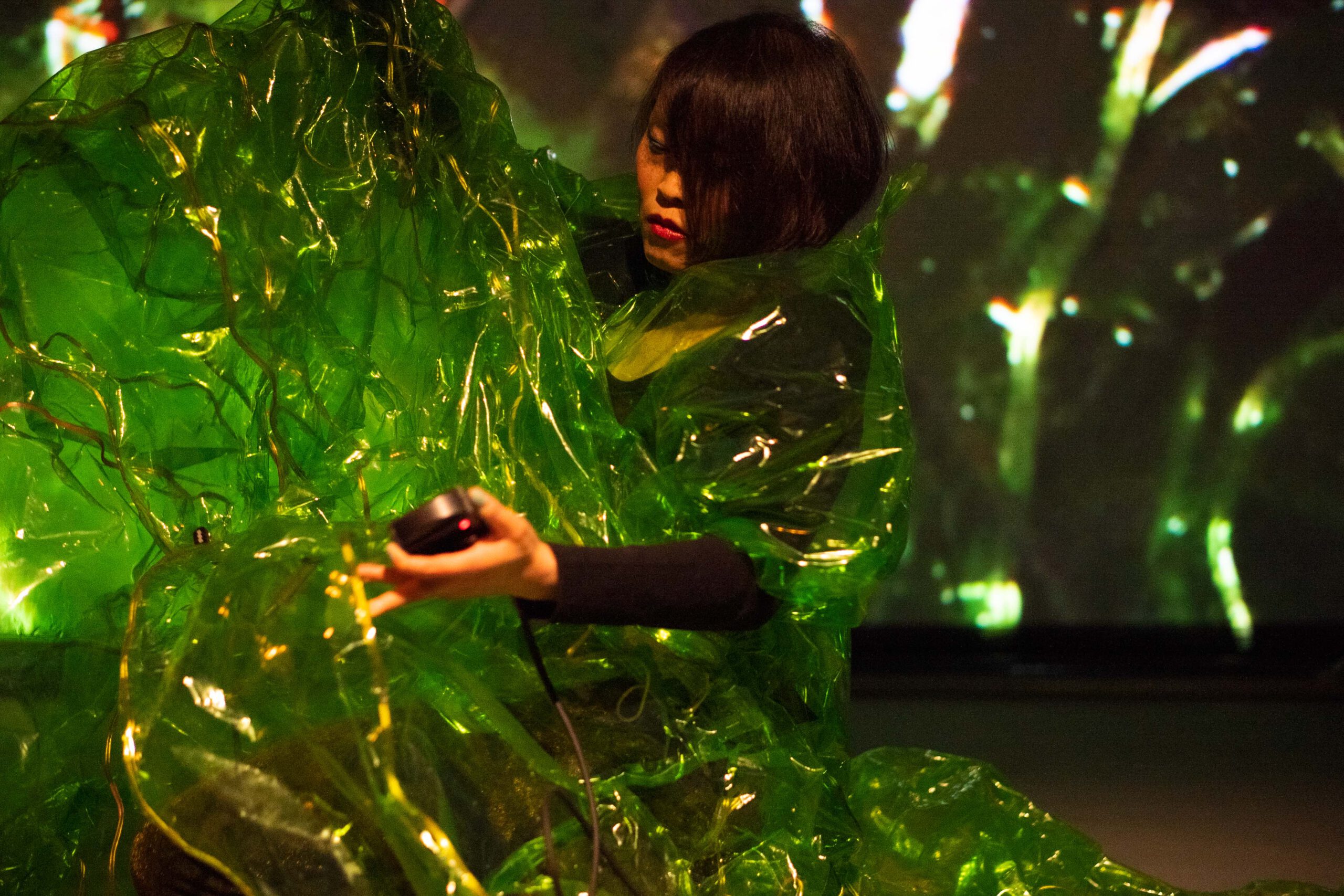
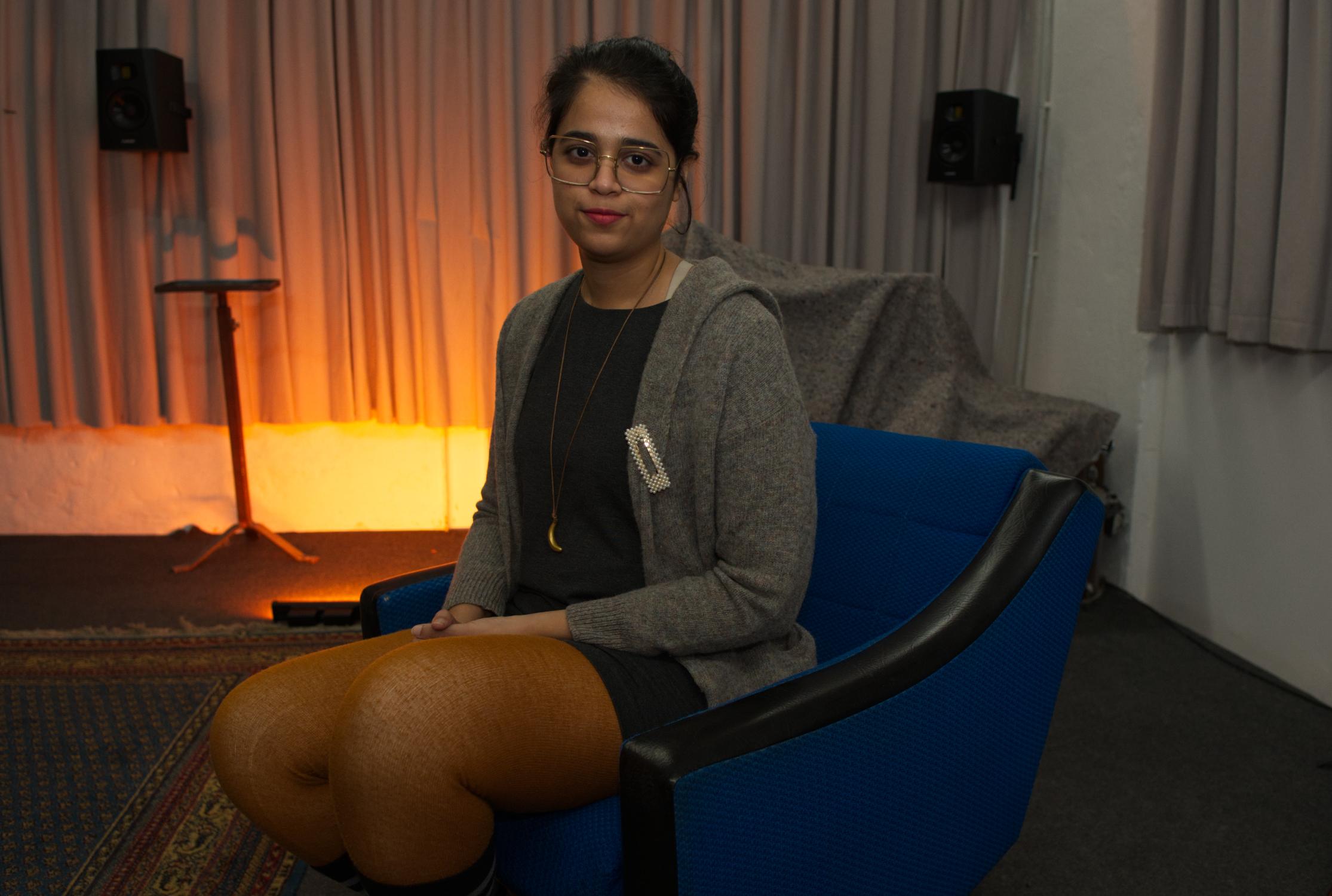
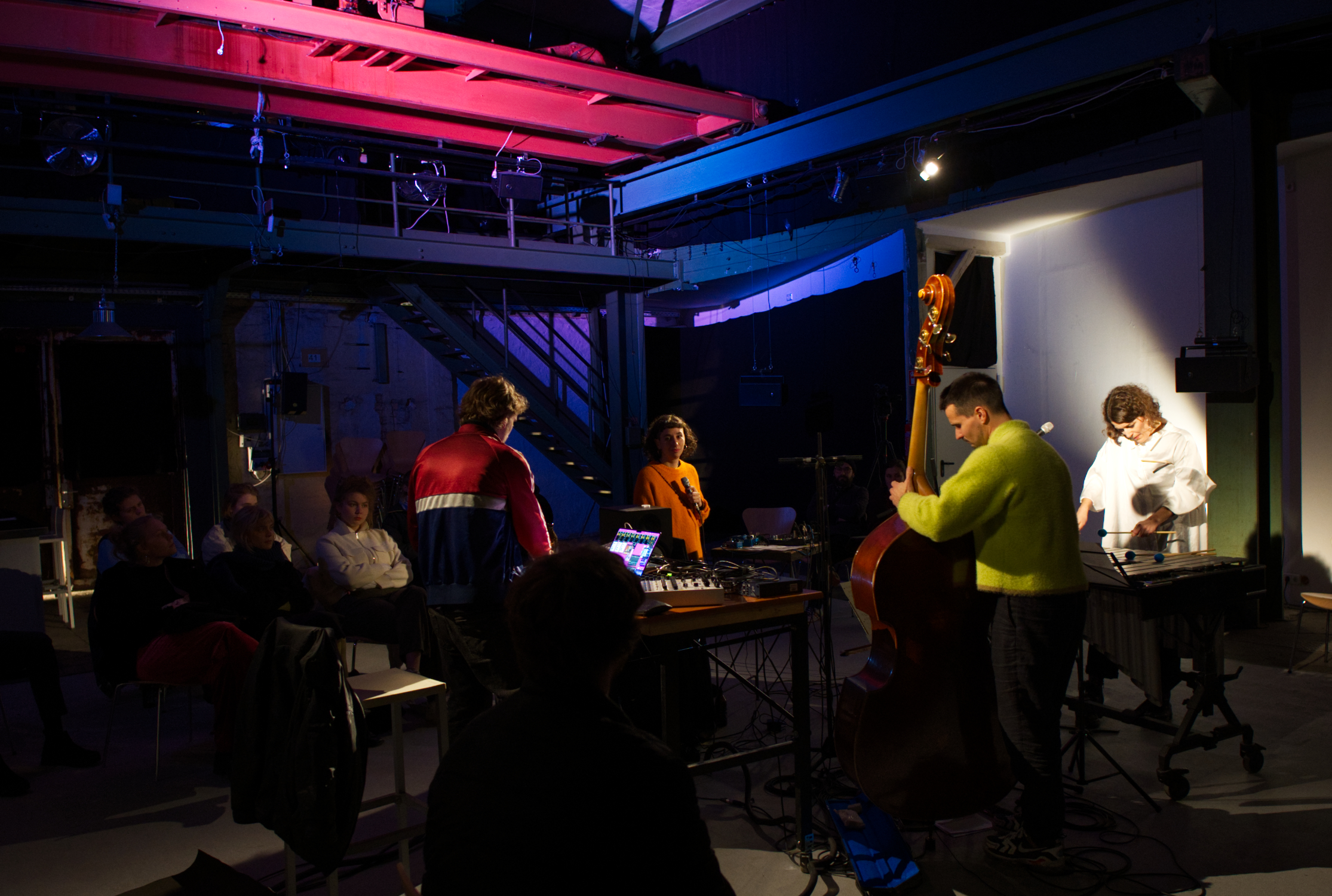
Residency @ ZiMMT
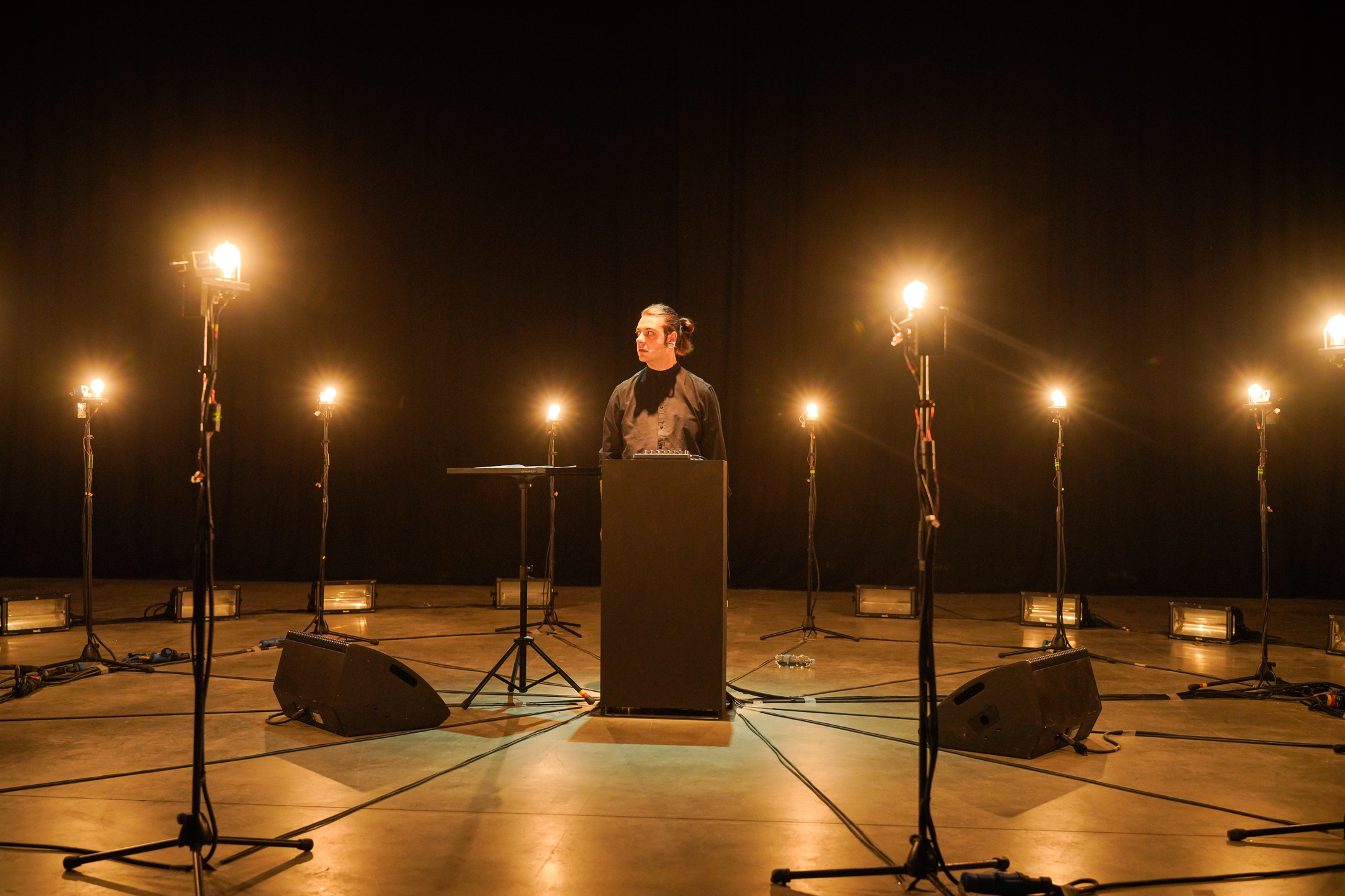
ZiMMT offers the opportunity to participate in a self-funded residency to artists, musicians, researchers, and developers. If you’re interested, apply with your projects at any time. For each potential residency, an offer is tailored to the specific needs. Depending on what is required, we provide technical and conceptual support, coaching, mentoring, studio time and time to work in our large hall (both studio and hall are fully equipped with spatial systems).
Residencies are flexible in duration and can last from 3 to 30 days. During your booked days, you’re free to work at ZiMMT until late at night if you’d like, and make full use of all the technical facilities. From Monday through Thursday, you’ll enjoy a homemade lunch with the ZiMMT team and get to know everyone. From 10 a.m. to 7 p.m., someone from the team is always available to help with any problems or questions.
To make it easy to tailor residencies entirely to your needs, you can book individual workshops in addition to the supervised independent work. Each workshop takes three hours, and you can book up to two workshops per day. For longer stays, we recommend scheduling a few days of independent work between workshops to familiarize yourself with what you’ve learned and ask any further questions you may have. We’re happy to help with finding accommodations and look forward to supporting interesting projects and driving creative developments together.
The workshop packages offered can be adapted or expanded as needed. The experts at ZiMMT* offer the following residency workshop packages:
1. Introduction to Spatial Audio (spatial audio examples, general approaches, overview of common 3D audio formats)
2. Introduction to specific 3D audio software tools (e.g., Ambisonics with IEM or sparta, Dolby Atmos, SPAT Revolution, Panoramix, SpatGris, Grapes, Max/MSP…)
3. Advanced 3D audio techniques (introduction to one or more, depending on prior knowledge, e.g., spectral panning, spatial granulation, custom multi-channel FX buses, complex movement generation, surround reverbs, immersive impulse responses…)
4. 3D Audio and Live Music?! (In this workshop, we’ll introduce techniques for integrating 3D audio into live performances without overwhelming you on stage – for example, through macro-mapping, haptic interfaces, and presets. We can also provide specific solutions for particular setups.)
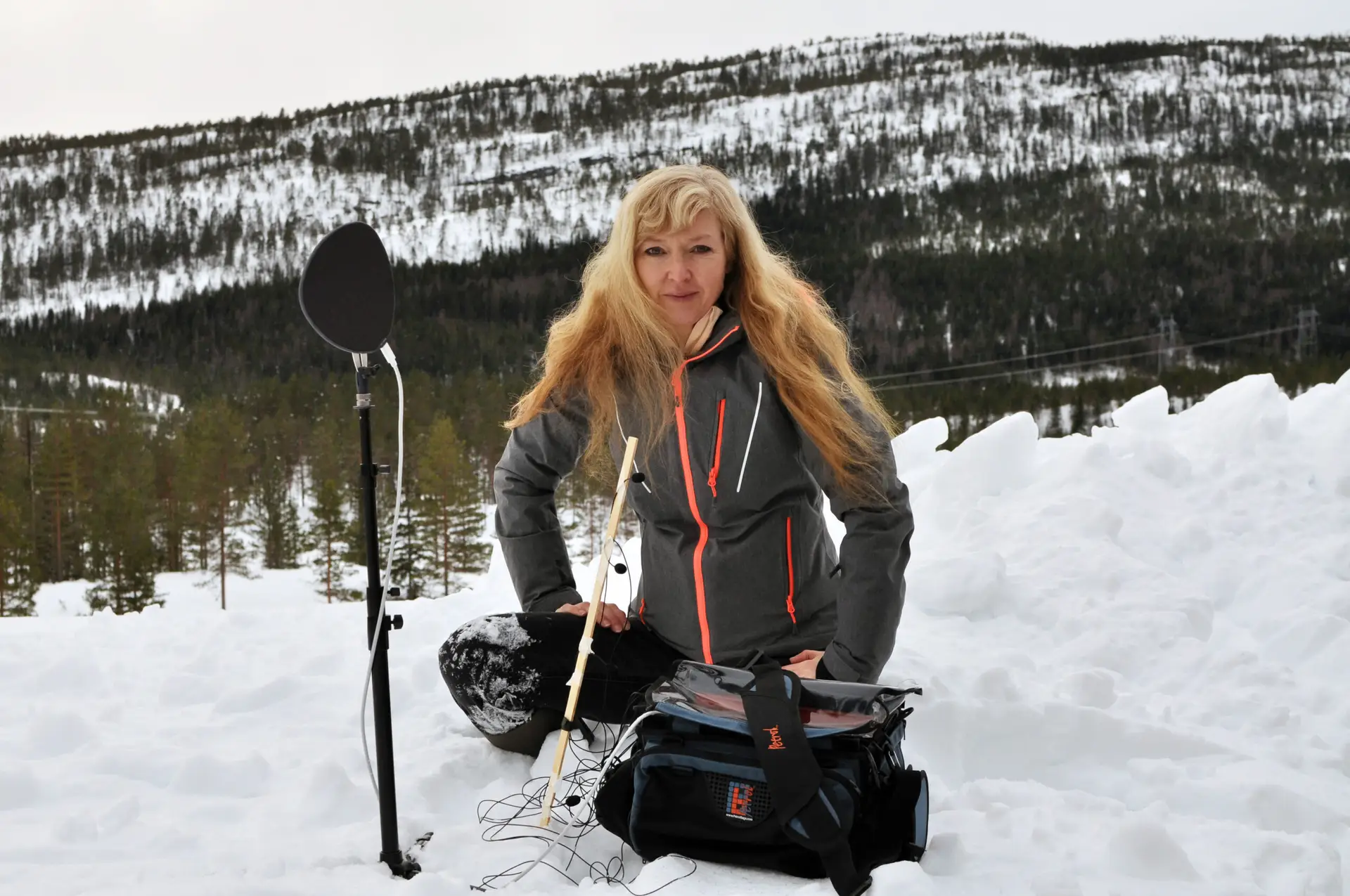
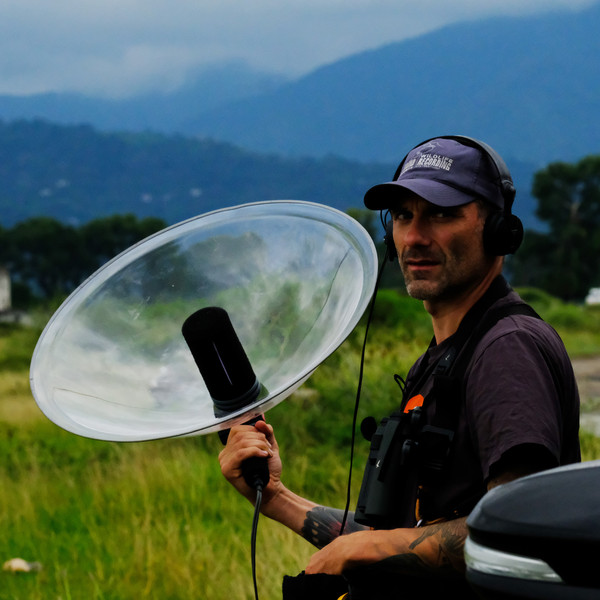
5. (3D) Field Recording (Field recording techniques for all skill levels – ranging from classic microphone theory and the differences between various stereo microphone setups such as XY, ORTF, AB, and artificial head stereo, through experimental techniques including contact, electromagnetic, and geological microphones, all the way to complex 3D audio microphone arrays and higher-order Ambisonics miking)
6. Max/MSP (for all levels – the workshop covers the necessary aspects of the visual audio programming interface, including special techniques and strategies for sound design in 3D audio. If you have no prior experience with the software, we recommend booking at least 2 sessions)
7. Position Tracking (Introduction to the Pharus program, for interactive audiovisual experiences and various approaches to data processing and OSC control of parameters through movement in space. Using the Pharus system – developed by Ars Electronica and based on LIDAR sensors – the position of the audience or performers in the room can be precisely tracked and translated into audiovisual output.)
8. Motion Tracking (Introduction to various (performative) approaches to camera-based motion tracking for generating sounds. Unlike position tracking, motion tracking captures only individual people; however, it can detect detailed movements of even the smallest body parts and translate them into sounds)
9. Compositional Consultation (a conceptual-aesthetic workshop on the spatialization of compositions or compositional approaches and working with space as a musical parameter. For example, why does a particular sound move in a certain way? What are the spectromorphological properties of sounds, and what movements do we derive from them? How can spatial (de)masking support a musical gesture? …)
The workshop packages are intended as sources of inspiration and will be adapted to the respective projects and prior knowledge.
Costs:
- Daily rate for residency stay, Day 1 to Day 3: €200
- Daily rate for residency stay, Day 4 onwards: €150
- Residency workshop packages: 3 hours each at €180.
*CVs and references of the respective experts will be provided upon request
Residencies

Martin Ožvold

Lenka Adamcová

Sofia Zaiceva

eNμ

Louis Dufort

UN-Sync Ensemble

Gerriet K. Sharma

mʊdʌki

LOUFR

Jules Reidy

X. Lee

Natasha Barrett

Jana Irmert

Jessica Ekomane

Damián Gorandi

Hauptmeier|Recker

Sébastien Branche

Passepartout Duo

Oscar Friisgaard

dotserosix

Jacopo Cenni

Ikbal Lybus & Aii Wijayanti Anik

Philipp Rumsch

Iulja Smeu

Quast

Robert Normandeau

Stephanie Felber

Perila

Rashad Becker

Antje Meichsner

X. Lee

Henrik Rohde

Portrait XO

Mariam Gviniashvili

Nils Baumbach

Michael Akstaller

Viola Yip

Tasneem-Lohani

Ca$$andra

Marja Ahti

Anna Schimkat

Patrick Franke

Crys Cole

Sara Persico

Jascha Hagen

Thomas Ankersmit

Jiyoung Chloe Yoon

Martí Guillem

Judith Crasser & Viti-Ko Lilja Schell

Elisa Batti

TIBSLC

Cucina Povera

Ectoplastic

Robertina Šebjanič

Sébastien Branche

Denim Szram